Book Appointment Now
Orthopedic Trauma
Immediate Evaluation
and management of Orthopedic Injuries
Orthopedic trauma involves injuries to the bones, joints, and surrounding soft tissues caused by sudden impact, falls, or accidents. In our trauma care unit, timely assessment and stabilization are paramount. Patients are evaluated for fractures, dislocations, ligament injuries, or open wounds using clinical examination and diagnostic imaging. Early immobilization and pain management are prioritized to prevent complications and promote healing.
Advanced Management
for Fractures and Complex Bone Injuries
We provide comprehensive treatment for a range of traumatic injuries, including long bone fractures, compound fractures, and multiple injury cases. Depending on the type and severity, management may involve conservative methods (such as casting and bracing) or surgical interventions using plates, screws, or rods. Our goal is to restore anatomical alignment, preserve function, and ensure rapid recovery.
Rehabilitation and Follow-Up for Optimal Functional Recovery
Post-trauma rehabilitation is critical for restoring mobility and strength. Our orthopedic team works closely with physiotherapists to create individualized recovery plans. Regular follow-up appointments help monitor bone healing, detect complications such as non-union or infection, and support patients in regaining full function of the injured limb or joint.
Understanding the Spectrum of Orthopedic Trauma
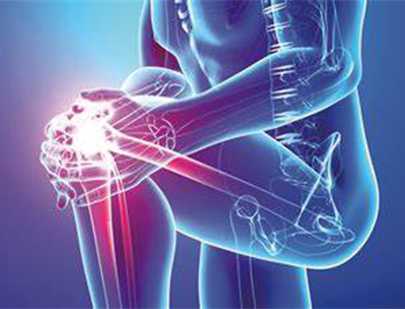
Injuries to bones, joints and soft tissues from external forces
- Fractures of the arms, legs, hips, or spine
- Dislocations of the shoulders, knees, and fingers
- Ligament tears caused by high-impact injuries
- Crush injuries from machinery or heavy objects
- Polytrauma involving multiple musculoskeletal injuries
Common Causes of Orthopedic Trauma in All Age Groups
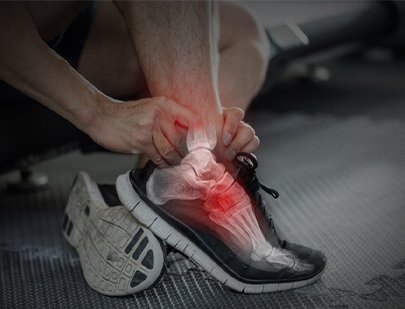
From road accidents to age related falls and sport injuries
- Road traffic accidents causing high-energy fractures
- Falls at home, especially among elderly individuals
- Sports-related injuries affecting joints and ligaments.
Preventing Orthopedic Injuries Through Safe Practices
Proactive steps to reduce the risk of bone injuries
- Wear protective gear during sports and physical activities
- Maintain home safety to prevent slips and falls
- Follow workplace safety protocols and proper equipment use
- Drive responsibly and always wear seatbelts
- Strengthen muscles and bones through regular exercise
Schedule Your Appointment
Schedule your appointment with our expert Orthopedic and Radiology specialists for accurate diagnosis and personalized care.


